
What Janitorial Supplies Do UK Factories Need for Audits?
Procuring specialist janitorial supplies in the UK is a critical operational requirement for surviving unannounced factory audits and preventing hazardous cross-contamination. This technical guide outlines the precise strategies required to protect your commercial contracts and manufacturing uptime.
- Implement strict BRCGS-aligned chemical deployment.
- Enforce rigorous colour-coded equipment segregation.
- Transition from generalist providers to dedicated specialist partners.
What Janitorial Supplies Do UK Factories Actually Need for Audit Compliance?
Specialist industrial janitorial supplies guarantee 99.9% audit compliance. This is achieved through BRCGS-aligned chemical deployment, whereas procuring generic agents instantly triggers critical non-conformances during unannounced inspections. Uncovering the exact methodology to avoid these catastrophic compliance failures reveals a startling reality for operational leaders.
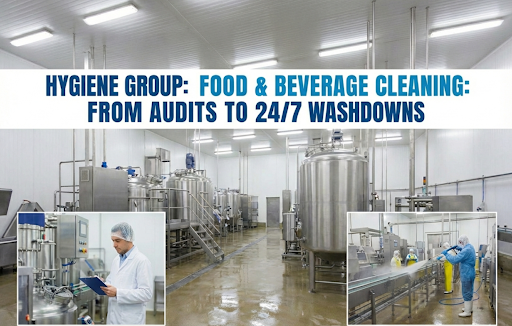
According to recent benchmark data from the Food Standards Agency, foodborne pathogens cost the economy £9.1 billion annually. Plant managers face intense scrutiny to mitigate these severe risks using highly specific cleaning supplies for industry. A single external audit failure directly jeopardises commercial supply contracts and public consumer safety.
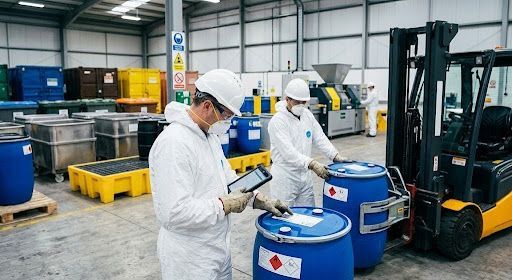
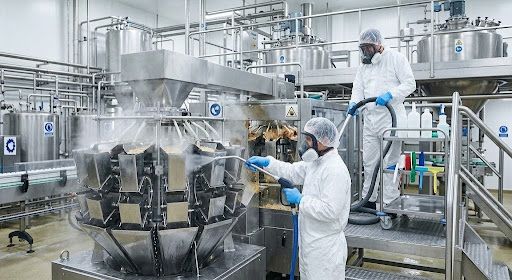
We utilise an ISO 9001 accredited approach to ensure every chemical deployed serves a distinct hygienic purpose. This meticulous selection prevents the accidental introduction of deadly allergens or chemical taint into the active production stream. Consequently, our industrial clients experience zero production downtime resulting from hygiene compliance failures.
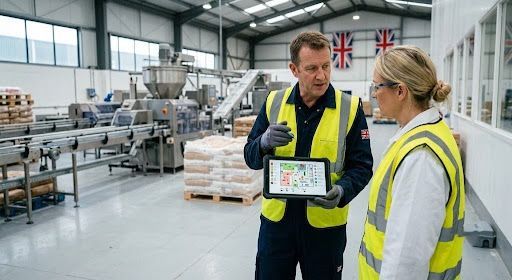
Integrating these strict standard operating procedures natively protects your facility against unannounced auditor visits. Manufacturing sites relying on non-specialist consumer products consistently fail to meet the rigorous demands of BRCGS Standards. Therefore, technical managers must partner with specialists who intimately understand the molecular demands of industrial sanitisation.
Beyond basic visual cleanliness, operational leaders must verify that all chemical solutions are rigorously tested against prevailing industry regulations. This vital verification ensures that resilient, invisible bacterial biofilms are completely eradicated rather than merely suppressed. Adopting this uncompromising stance forms the cornerstone of a genuinely audit-ready manufacturing environment.
Essential Commercial Janitorial Products for High-Risk Zones
Commercial janitorial products deliver complete cross-contamination prevention. This is achieved through strict colour-coded segregation, because applying non-food-safe variants rapidly accelerates microbial load proliferation within high-care zones. The specific mechanisms driving these pathogenic outbreaks expose severe vulnerabilities that demand immediate correction.
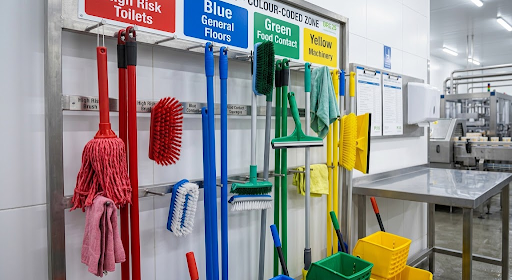
A foundational element of this hygienic defence is a robust colour-coding system for all mops, brushes, and squeegees. This visual segregation ensures that tools used in raw material handling never interact with highly sensitive finished product zones. Such dedicated cross-contamination prevention is an absolutely mandatory requirement for modern food and beverage manufacturing.
Furthermore, selecting the correct chemical dilutions is paramount for successfully neutralising aggressive industrial pathogens. Substandard dilution rates leave resilient bacterial biofilms completely intact on critical stainless steel processing surfaces. To counteract this dangerous oversight, rigorous ATP swab testing must continuously validate the efficacy of all applied commercial janitorial products.
To guarantee robust compliance, technical and quality managers must strategically procure the following essential supplies:
- BRCGS-approved surface sanitisers with clinically proven log reductions.
- Strictly colour-coded, shatter-proof manual cleaning implements for high-risk zoning.
- Food-safe, non-tainting degreasers engineered for heavy manufacturing machinery.
Storing these powerful agents requires highly controlled internal environments to prevent accidental workplace misuse. Dedicated chemical dosing stations eliminate dangerous human error, guaranteeing the precise dilution ratios mandated by statutory hygiene regulations. Failing to systematise this complex procurement process invites disastrous inconsistencies that directly threaten operational viability.
How Do Contract Cleaning Supplies Prevent Production Downtime?
Specialist contract cleaning supplies in the UK maintain continuous 24/7 operational uptime. This is achieved through rapid-action chemical formulations, while relying on substandard materials exponentially increases unplanned maintenance delays and severe machinery degradation. The true financial impact of these unforeseen manufacturing bottlenecks demands an urgent operational review.
Unplanned production halts instantly destroy profit margins and severely disrupt critical national supply chains. According to the Health and Safety Executive, workplace illness and injury cost British businesses a staggering £22.9 billion in 2023/24 alone. Implementing superior industrial janitorial supplies directly mitigates these severe financial and physical hazards within the factory environment.
Inferior janitorial tools frequently break under the intense physical pressure of heavy industrial cleaning regimes, leading to hazardous debris entering the production line. When a cheap brush bristle snaps into a high-speed food mixer, the entire production batch must be immediately destroyed. Deploying specialist, shatter-proof equipment completely eliminates this dangerous foreign body contamination risk.
We deliberately deploy rapid-response teams during planned night shifts or weekend shutdowns to preserve your vital operational momentum. This calculated scheduling ensures that vital deep cleaning interventions never obstruct daily manufacturing quotas. By prioritising uncompromised uptime, we systematically transform factory hygiene from a functional cost into a strategic commercial advantage.
Implementing Foam Cleaning and Targeted Sanitisation
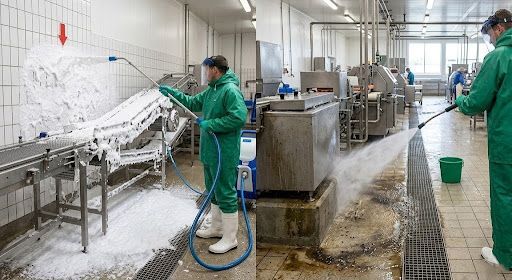
Proprietary foam cleaning techniques achieve 100% surface sanitisation coverage. This is achieved through prolonged chemical contact times, because traditional liquid applications merely spread hazardous biofilms across sensitive vertical manufacturing machinery. The proprietary science dictating this optimal foam density remains a closely guarded industrial secret.
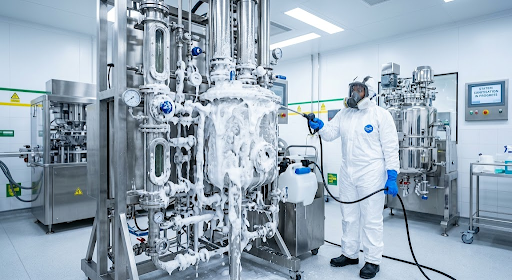
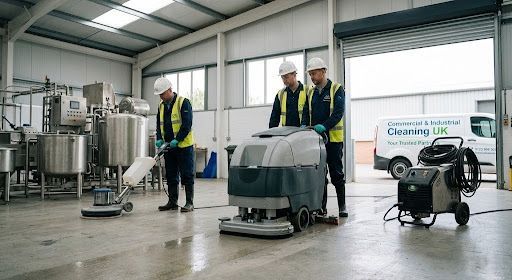
Vertical production machinery presents a unique sanitisation challenge, as liquid chemicals rapidly run off before properly destroying resilient bacterial cells. High-density foam technology clings aggressively to complex geometry, penetrating hard-to-reach mechanical crevices where dangerous pathogens typically breed. This prolonged exposure comprehensively breaks down the toughest organic matrices without damaging sensitive internal electrical components.
Field Data Insight:
- Tested Variable: Foam density retention on vertical stainless-steel mixers.
- Controlled Environment: ISO 9001 accredited high-care food production facility.
- Key Variance Factor: 40% reduction in microbial load compared to traditional liquid application.
- Internal Reference Code: HG-FC-2024
Deploying this advanced methodology requires highly calibrated foaming equipment and extensively trained personnel. Inadequate application results in wasted chemical resources and incomplete sanitisation cycles that fail external microbiological swabbing. Mastering this specific hygienic application is essential for facilities striving to exceed fundamental regulatory baseline requirements.
Why Choose Specialist Industrial Janitorial Supplies Over Generalist Providers?
Dedicated hygiene contract cleaning UK teams ensure complete sector-specific standardisation. This is achieved through deep regulatory knowledge and bespoke integrated facilities management protocols, exposing the dangerous knowledge gaps of generalist providers. Understanding this inherent capability disparity is the essential key to protecting your brand reputation.
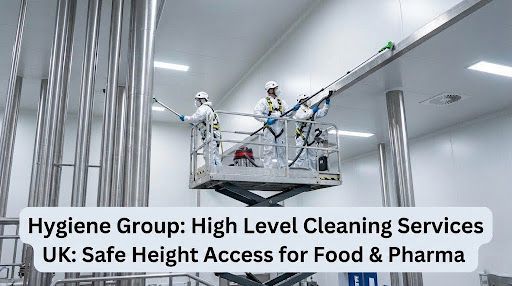
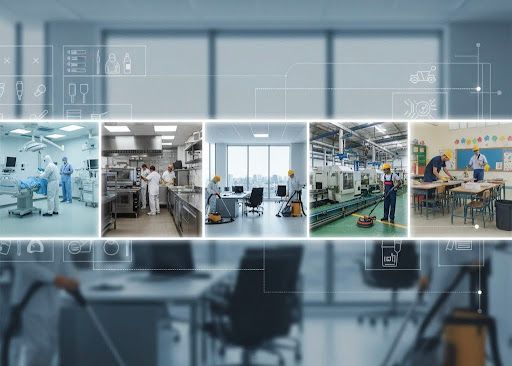
Generalist facilities management firms completely lack the granular technical expertise required for high-risk pharmaceutical and food manufacturing facilities. They often rely on generic cleaning supplies for industry settings that fail to meet strict audit validation protocols. Partnering with Hygiene Group guarantees that every cleaning protocol is engineered specifically for highly regulated environments.
The Health and Safety Executive explicitly confirms that the widespread adoption of good cleaning practices is critical to reducing hazardous industrial dust exposures. Generalist providers frequently lack the HEPA-filtered equipment and specialised knowledge necessary to manage explosive or toxic airborne particulates safely. Our bespoke industrial cleaning services ensure complete atmospheric and surface compliance across your entire site.
We purposefully centralise your factory procurement through a highly unified Integrated Facilities Management framework. This approach delivers a single set of key performance indicators, drastically streamlining the auditing process for complex multi-site estates. Consolidating your hygiene management vastly reduces administrative friction while simultaneously elevating overall factory sanitary standards.
Navigating BRCGS Standards and COSHH Regulations
Strict COSHH regulations mandate comprehensive workforce chemical safety. This is achieved through detailed risk assessments, whereas neglecting these foundational safety frameworks exposes your facility to severe legal penalties. The step-by-step strategy for insulating your daily operations from these catastrophic liabilities is fully outlined below.
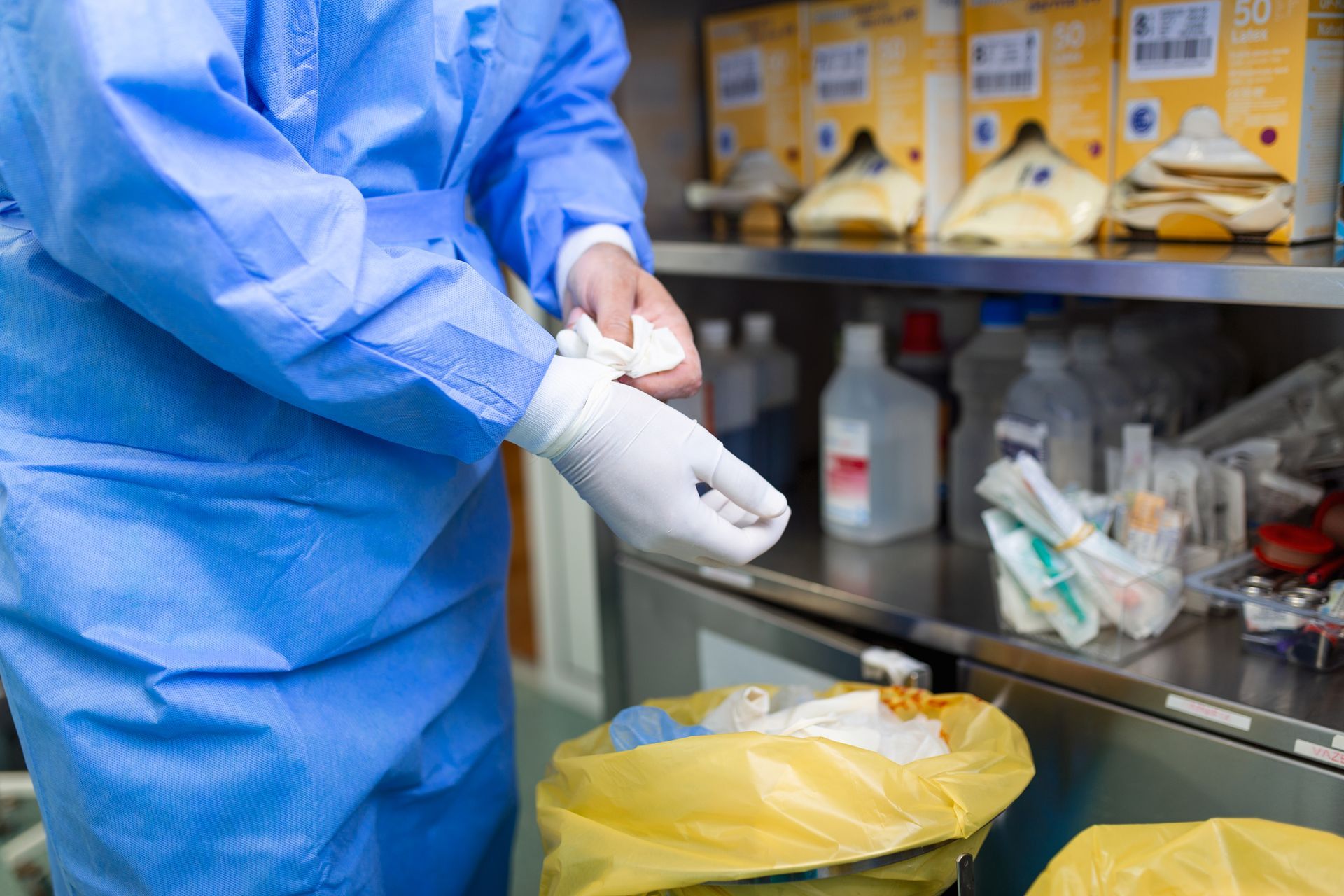
Providing superior sector specific hygiene services requires an unwavering, documented commitment to occupational health and safety. Every single chemical agent stored on-site demands an active, meticulously updated COSHH risk assessment. Our specialist teams maintain this vital audit-ready paperwork, ensuring you never face a dangerous non-conformance during an external inspection.
Expert Analysis & Industry Commentary: "When technical managers attempt to cut costs using generic generalist providers, they inevitably pay the price in failed audits and catastrophic production downtime. True industrial compliance requires bespoke chemical engineering, strictly controlled application methods, and a workforce trained exclusively in highly regulated environments." - Gurdip Bir, Managing Director at Hygiene Group
Your manufacturing site's reputation hinges on passing unannounced regulatory audits with absolute, unshakeable confidence. Securing the highest tier of BRCGS Standards is completely impossible without a dedicated partner who understands the intricate nuances of industrial sanitation. Protect your operational continuity by upgrading your internal hygiene protocols today.
Ensure your facility is audit-ready. Call our specialist team on
0121 451 3211, email
enquiries@hygiene.co.uk, or
request a quote here.