Pest Control Services UK: How Do You Build Prevention Plans for Factories?

July 23, 2026

Summary: Ensuring Audit-Ready Industrial Pest Management

Effective pest control services in the UK demand proactive, rigorous prevention plans tailored for high-risk manufacturing environments. Generalist cleaning often misses critical harbourage points, leaving food and pharmaceutical facilities vulnerable to severe microbial risks, product recalls, and sudden audit failures.

  • Systematic monitoring prevents widespread contamination before pest populations can establish breeding cycles.
  • Bespoke exclusion strategies secure critical production zones against rodent and insect ingress.
  • Detailed reporting guarantees complete due diligence for stringent BRCGS and SALSA compliance audits.


Why Is Commercial Pest Control Critical for Manufacturing?

Commercial pest control is absolutely critical for manufacturing to prevent biological contamination, protect brand integrity, and ensure uninterrupted operational uptime. Implementing a robust prevention plan satisfies strict regulatory requirements and actively shields sensitive production lines from costly, unexpected closures.


Plant Managers face relentless pressure to maintain continuous production while preparing for unannounced compliance audits. A single pest sighting within a high-care environment triggers immediate operational suspension. You cannot rely on reactive measures; you must establish a methodical, preventative strategy that addresses structural vulnerabilities long before pests infiltrate your facility.


Unlike generalist facilities management providers, Hygiene Group operates strictly as a specialist partner. We are dedicated solely to the food and pharmaceutical sectors. With over 35 years of industry experience, we understand the serious implications of microbial risk and deploy rigorous protocols to protect your critical assets.


Mitigating Biological Risks in Food and Pharma

Biological contamination presents a massive threat to public health and corporate stability. Unchecked pest activity introduces dangerous pathogens directly into the production chain. According to the Food Standards Agency, an estimated 2.4 million cases of foodborne illness occur annually in the UK, highlighting the severe consequences of compromised facility hygiene.


Technical Managers require absolute certainty that their sanitation protocols align with robust safety standards. These stringent regulations demand proactive hazard analysis and continuous environmental monitoring. Our accredited technicians integrate seamlessly with your internal Quality Assurance teams to deliver results-driven hygiene solutions that guarantee absolute compliance.


To achieve this level of security, you must eliminate the specific environmental conditions that attract pests. Moisture accumulation, organic spillages, and ambient heat create ideal breeding grounds. Our methodical sanitisation programmes remove these attractants entirely, breaking the pest lifecycle and ensuring your facility remains audit-ready every single day.


How Do Specific Audit Frameworks Shape Prevention Plans?

Specific audit frameworks shape prevention plans by dictating the precise frequency, methodology, and documentation required for compliance. Strict standards demand proactive hazard analysis, forcing facilities to move away from reactive pest control towards continuous, highly documented environmental monitoring.


The BRCGS Global Standard for Food Safety (Issue 9) places intense scrutiny on root cause analysis. When auditors identify a vulnerability, Plant Managers must prove they have implemented permanent, documented corrective actions. Our specialist technicians help you build this robust evidence systematically, ensuring you never face a non-conformance penalty.


Similarly, the SALSA standard for regional manufacturers requires rigorous proof of continuous due diligence. We tailor our reporting structures to match the specific criteria of your auditor. This bespoke approach ensures your internal Quality Assurance teams feel completely supported and permanently prepared for intense external scrutiny.


Integrating ATP Testing and Microbiological Verification

Visual cleanliness is never sufficient for pharmaceutical and high-care food environments. We utilise advanced ATP (Adenosine Triphosphate) swabbing to detect microscopic biological residue. This scientific verification proves that our sanitisation processes have successfully eliminated the organic matter that sustains insect populations.


By combining physical exclusion with continuous microbiological verification, we create an impenetrable defence system. This multi-layered approach provides ultimate peace of mind for the Technical Manager. You can face highly pressurised, unannounced external inspections knowing your facility operates at the highest possible hygienic standard.


How Do Pest Control Contract Services Secure Food Facilities?

Pest control contract services secure food facilities by establishing continuous, methodical monitoring and targeted exclusion protocols. These structured contracts provide regular technical inspections, rapid response to identified threats, and comprehensive documentation to prove absolute due diligence during stringent compliance audits.


Securing specialised hygiene services for food factories involves far more than setting traps. It requires a deep technical understanding of building fabrication and production flow. We conduct rigorous structural assessments to identify microscopic entry points around loading bays, drainage systems, and ventilation shafts.


Once we identify these vulnerabilities, we implement permanent exclusion techniques. This involves executing minor fabric maintenance to seal gaps, installing physical protection measures, and securing external entry points. Physical exclusion is the most effective and sustainable method for preventing industrial infestations.


Targeting Harbourage Points and Structural Vulnerabilities

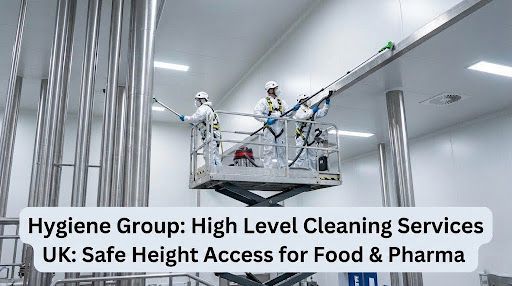
Generalist cleaners frequently fail to identify high-level harbourage points. Dust and organic debris accumulate rapidly on overhead truss work, cable trays, and the exterior of bulk storage silos. Pests utilise these undisturbed areas to nest and multiply, far above the typical line of sight.


Hygiene Group deploys highly trained technicians equipped with specialist access platforms to execute meticulous high-level cleaning. We utilise industrial-grade vacuums and precise foam cleaning techniques to eradicate hidden debris, completely removing the concealed environments where rodents and stored product insects thrive.


"Generalist approaches simply cannot withstand the scrutiny of a modern compliance audit. You must implement a highly systematic, results-driven protocol that addresses structural vulnerabilities before pests infiltrate your production lines. We focus entirely on rigorous prevention, ensuring complete operational stability." Gurdip Bir (Managing Director)


What Does Industrial Pest Management Involve for Bakeries?

Industrial pest management for bakeries involves highly specialised dust extraction, structural sealing, and continuous insect monitoring. Bakeries present unique combustible risks and attract stored product insects, requiring methodical, ATEX-compliant cleaning protocols to maintain hygienic conditions and prevent dangerous cross-contamination.


The bakery sector faces unique, highly specific challenges that demand expert intervention. Flour dust settles across vast areas, providing an endless food source for beetles, weevils, and moths. Furthermore, airborne flour dust creates a severe explosion hazard, meaning standard electrical cleaning equipment is entirely unsuitable for the environment.


According to the Health and Safety Executive, exposure to airborne flour dust is the second highest cause of occupational asthma in the UK. This regulatory reality necessitates rigorous, compliant dust extraction that simultaneously removes potential insect food sources and protects the respiratory health of your workforce.


Deploying Systematic Prevention Protocols

To manage these complex risks safely, we deploy intrinsically safe, ATEX-certified vacuum systems. This equipment eliminates the risk of static ignition while systematically removing the flour dust that fuels pest populations. Our structured approach guarantees safety, compliance, and superior hygiene.


We implement a highly effective four-step protocol tailored exclusively for high-risk manufacturing zones:

  1. Detailed Technical Assessment: We conduct thorough identification of all potential entry points, structural building defects, and high-level harbourage zones across your site.
  2. Permanent Physical Exclusion: We apply rigorous structural proofing to block access to sensitive manufacturing environments physically, preventing ingress from the outside.
  3. Targeted, Deep Sanitisation: We execute methodical cleaning of organic spillages using specialist foam cleaning agents and compliant high-level vacuum systems to remove attractants entirely.
  4. Continuous Audit Verification: We establish ongoing electronic monitoring and provide detailed, portal-based reporting to ensure your ongoing regulatory compliance remains visible and verified.


Why Choose Specialist Pest Control for Factories?

You must choose pest control for factories via a specialist provider because complex manufacturing environments demand highly trained, accredited technicians. Specialists understand specific sector regulations, deploy appropriate interventions safely, and possess the necessary technical expertise to protect heavy industrial assets.


Quality Managers cannot risk delegating sanitation to untrained personnel. Incorrect chemical application near food processing lines causes immediate product contamination and severe audit penalties. You need a trusted partner who holds robust accreditations, including ISO 9001, ISO 14001, and SafeContractor, to prove their technical competence.


Furthermore, operational stability relies entirely on workforce consistency. Hygiene Group proudly holds the Investors in People silver status. This accreditation proves our commitment to maintaining a highly trained, reliable, and permanently employed team, ensuring you receive consistent, expert service without the disruption of high staff turnover.


Maintaining a Trained, Reliable Workforce

When you engage our comprehensive industry services, you gain access to technicians who understand the specific mechanics of your production equipment. They know how to dismantle conveyors safely, sanitise internal components, and reassemble machinery without causing costly production delays.


The necessity of strict hygiene cannot be overstated. The World Health Organization states that unsafe food containing harmful bacteria, viruses, or parasites causes more than 200 distinct diseases. Preventing pests from introducing these pathogens into the supply chain is a fundamental moral and legal obligation for every plant operator.


We take this responsibility incredibly seriously. Our systematic cleaning protocols integrate perfectly with your existing hazard analysis critical control point (HACCP) plans. We provide the precise environmental standardisation required to pass external audits flawlessly.


How Do Hygiene Services by Sector Improve Compliance?

Tailoring hygiene services by sector improves compliance by directly addressing the distinct biological and structural risks of each individual industry. A brewery faces entirely different pest pressures than a pharmaceutical cleanroom, requiring bespoke, methodical strategies to meet precise regulatory standards.


For example, breweries constantly grapple with yeast deposits and complex drainage systems that attract drain flies and rodents. Our technicians employ targeted enzymatic cleaning agents that break down organic matter inside the drains, eliminating the specific attractant and preventing the infestation at its source.


Conversely, pharmaceutical manufacturing demands clinical sterilisation. Pest prevention in these environments focuses on absolute physical exclusion, positive air pressure management, and continuous microbial monitoring. Our bespoke protocols adapt seamlessly to the unique technical demands of your specific facility.


Ensuring Absolute Due Diligence and Traceability

Detailed, accurate reporting is the foundation of successful audit compliance. When an auditor arrives unannounced, your Quality Manager must present comprehensive, up-to-date documentation proving that your prevention plans are active, verified, and effective.


Our technicians meticulously record every intervention. We log the exact location of monitoring stations, detail the specific cleaning protocols applied to every production zone, and provide photographic evidence of completed structural proofing. This systematic documentation unequivocally proves your absolute due diligence.


By partnering with a proven specialist, you remove the constant stress of potential contamination. You protect your brand reputation, safeguard your operational uptime, and ensure your facility consistently exceeds the most demanding industry standards.


Ensure your facility is audit-ready. Call our specialist team on 0121 451 3211, email enquiries@hygiene.co.uk, or request a quote here.
Two workers in a glass-walled office, one on a ladder adjusting ceiling lights, another beside equipment cart.
By Ross Keevins June 25, 2026
Need specialist FM? Discover how our facility management services in the UK ensure audit compliance. Call 0121 451 3211 for expert food and pharma hygiene.
Workers cleaning industrial equipment in a warehouse with polishing machines and stainless steel tanks.
May 15, 2026
Need specialist commercial & industrial cleaning UK? We help food & pharma sites pass audits with a 4-step approach. Site survey, call 0121 451 3211.
Workers in green uniforms clean a fish-processing room with hoses and stainless steel equipment.
April 24, 2026
Master audit compliance with expert guidance on foam vs rinse-only protocols. Mitigate microbial risk today. Call 0121 451 3211 for specialist support.
Two workers in white protective suits and masks deep-clean industrial food processing machinery with hoses.
March 27, 2026
Secure BRCGS compliance with specialist equipment cleaning services UK. Mitigate microbial risk and ensure audit success. Call our team on 0121 451 3211.
Workers in protective suits on a lift cleaning high-level equipment in a food or pharmaceutical facility.
February 19, 2026
Specialist high-level cleaning services UK for food & pharma. IPAF-qualified teams ensure BRCGS & ISO compliance. Call 0121 451 3211 for a site survey.
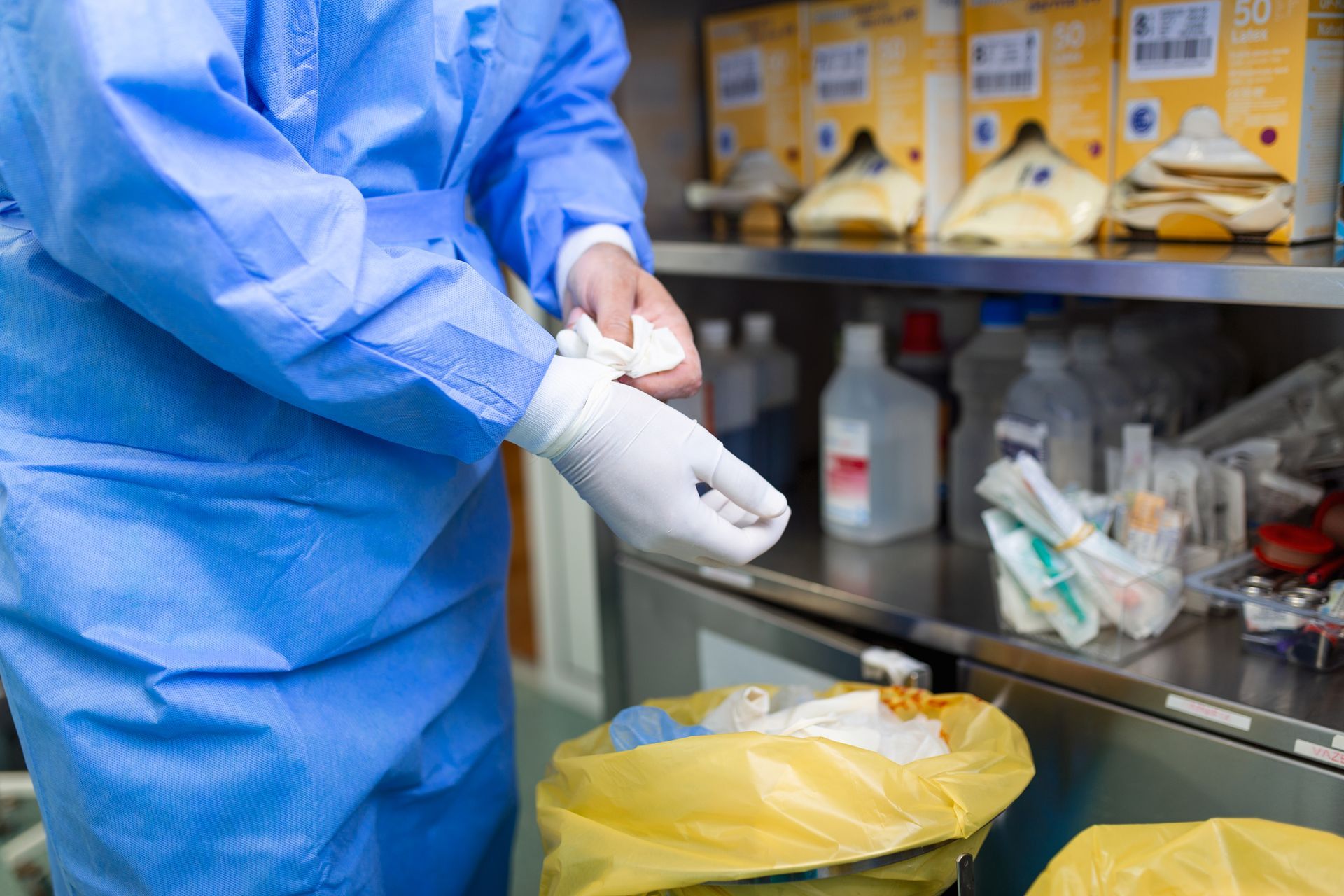
Person in blue medical suit putting on gloves in a medical setting, near a waste bin and supplies.
January 30, 2026
In the pharmaceutical sector, hygiene is not merely a housekeeping task; it is a critical control point in the manufacturing process. For Technical and Quality Ma...
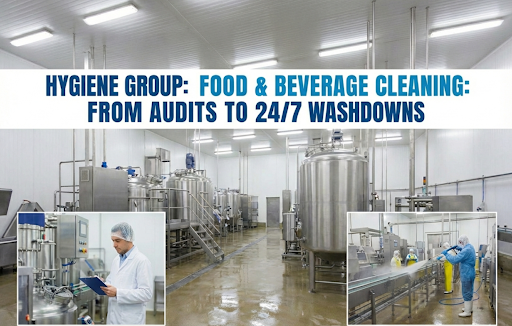
Food and beverage plant with workers, machinery, and title: Hygiene Group, Food & Beverage Cleaning.
December 12, 2025
Secure your next audit with Hygiene Group. Expert food & beverage cleaning services ensuring compliance & safety. Call 0121 451 3211 for a specialist partner.
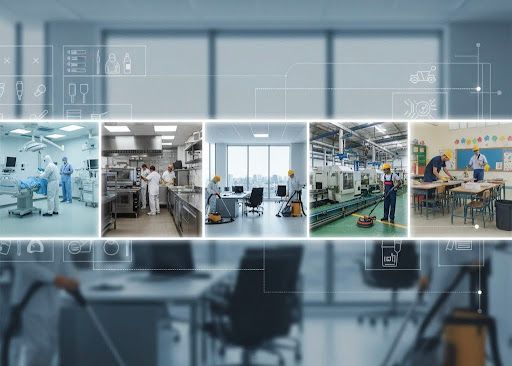
Five different work environments: operating room, kitchen, office, factory, classroom.
November 28, 2025
Build a compliant, industry-specific hygiene plan. This expert guide details systematic cleaning solutions for food, pharma, and other regulated sectors.
Man mopping an office floor, with cleaning supplies and wet floor sign.
September 22, 2025
Cleanliness isn’t just a food-factory issue. Hygiene standards in offices, retail stores, and distribution centres impact safety, brand perception, compliance, and productivity. Dust on a warehouse truss can raise fire risk. A grimy trolley handle can undo an otherwise brilliant customer experience. A poorly specified floor regime can turn a busy corridor into a slip hazard. Hygiene matters everywhere. Two things are essential to make hygiene practical across mixed estates: a provider that adapts methods to each environment, and access to the right products and equipment for day-to-day upkeep. Hygiene Group delivers both. Our cleaning services for other industries outside of food production and pharma, cover workplace, logistics, commercial premises, and retail environments with sector-specific routines and trained teams. We also supply quality janitorial supplies in the UK —including materials and equipment—so site teams can keep standards high between scheduled cleans. The challenge: different environments, different risks Offices and shared workplaces. Hygiene in offices is about visible standards and touch-point control. Reception desks, lift buttons, handrails, keyboards, meeting tables, and washrooms see continuous use. The regime here focuses on frequent touch-point disinfection, smart scheduling to avoid disruption, and consistent presentation (windows, floors, bins, odour control). Where hybrid work patterns change occupancy, frequencies should flex accordingly. Hygiene Group’s workspace offer emphasises wellbeing, productivity, and tailored schedules—useful when attendance varies week to week. Retail and customer-facing spaces. In stores, changing footfall demands agile cleaning. Front-of-house appearance, safe aisles, and spotless welfare areas underpin brand reputation. Early morning “reset” cleans, day-janitor spot checks, and rapid spill response keep standards steady without interrupting trade. Store cleans extend to back-of-house loading areas and waste zones, which can attract pests if neglected—coordination with waste routines is critical. Hygiene Group highlights store cleaning delivered around trading hours and site realities. Warehousing, distribution & logistics. Large volumes, heavy MHE traffic, and high-level structures create a unique risk profile. Think tyre dust, diesel particulates, pallet debris, and overhead dust that can shed onto pick lines. The cleaning playbook here includes machine-scrubbed floors, periodic high-level hygiene cleaning, dock-door and racking detail, plus amenity blocks sized for shift patterns. Hygiene Group’s logistics planning reflects these constraints and the need to work around live operations. Commercial premises and mixed estates. Multi-tenant offices, labs, or light manufacturing sites require a single playbook that still flexes per floor or tenant. Consistency and minimal disruption are key, from deep cleans pre-occupation to overheads and equipment cleans ahead of audits. Getting the specification right: methods that match the setting Floor care that suits the traffic: In offices, low-noise vacuums and periodic low-moisture carpet care protect finishes. Autoscrubbers, degreasers, and defined walkway cleans keep slip risk low and warehouse traffic routes clear. High-level hygiene cleaning (where relevant): Distribution centres and some commercial spaces accumulate dust on trusses and cable trays. Planned high-level works prevent fallout, reduce fire load, and protect HVAC performance. Touch-point routines with proof: For offices and retail, agreed checklists and cadence (opening checks, hourly sweeps, closing resets) keep hygiene visible and auditable. Welfare and back-of-house discipline: Clean break areas and changing rooms reduce the transfer of soils to public or production spaces. Waste and pest awareness: Good housekeeping prevents overflow and harborage, and it is especially important behind stores and at loading bays. The product piece: good outcomes need the right kit Great operatives still need reliable, fit-for-purpose products. The wrong mop, pad, or chemical can waste time and damage finishes. Hygiene Group can supply commercial janitorial products and cleaning supplies for industry through its dedicated channel—with over 2,000 product lines covering products, materials, and equipment (specialising in supply to food manufacturing where compliance and reliability are paramount). This depth means facilities can standardise consumables, avoid mismatched items, and keep spares on hand. When choosing industrial janitorial supplies for non-food environments, consider: Surface compatibility: Match chemistry to finishes—stone, LVT, epoxy, stainless steel, glass, powder-coat. Productivity aids: Microfibre systems with colour-coding, backpack vacuums for stairs, extended poles for glazing, and autoscrubbers for large floors. Air quality and noise: HEPA filtration and quiet operation support well-being in offices and retail. Sustainability signals: Concentrates, dosing systems, and recyclable packaging reduce waste and cost. Compliance support: Clear safety data, COSHH guidance, and training materials for safe, repeatable use. Where estates straddle multiple sectors, consolidating to a consistent catalogue (pads, bags, chemicals, gloves, dispensers) makes training easier and reduces procurement friction—this is where contract cleaning supplies in the UK add real value. Sample hygiene frameworks by environment Office/workplace: Daily: bins, touch-points, washrooms, kitchens, reception floors, visible dusting. Weekly: glass and partitions, fabric spot cleaning, hard-floor maintenance. Periodic: carpet extraction, deep washroom descales, high-dusting in low-risk zones. Supplies: hand soap and sanitiser, paper, microfibre, multipurpose cleaner, neutral floor cleaner, screen wipes. Retail/store: Daily: entrance mats, spills and slip prevention, trolleys/baskets, till areas, customer washrooms. Weekly: back-of-house deep tidy, back-room floors, stockroom racking wipe-downs. Periodic: signage/glazing, back-of-house waste bays, canopy or signage cleans (as needed). Supplies: rapid-dry floor cleaner, glass cleaner, odour control, and food-safe sanitiser for food-adjacent areas. Warehouse/distribution: Daily: machine-scrubbed traffic routes, pedestrian walkways, dock levellers, canteens, and locker rooms. Weekly: pick-face dusting, low-level racking, MHE charge areas. Periodic: industrial high-level cleaning of rafters/cable trays; external yard sweeps. Supplies: degreasers suited to concrete/epoxy, scrubber pads, litter pickers, industrial wipes, and spill kits. Commercial premises/mixed sites: Daily: common areas and lifts, meeting rooms, washrooms, café spaces. Weekly: feature surfaces, blinds, vents. Periodic: strip-and-seal where suitable; targeted deep cleans ahead of moves or audits. Supplies: neutral hard-floor cleaner, disinfectant for touch-points, stainless steel polish where appropriate. Why a single partner helps Bringing cleaning services from other industries under one provider reduces admin and lifts consistency—especially across multi-site portfolios. Hygiene Group’s industry coverage includes workspace cleaning, distribution & logistics, commercial premises and store cleaning, supported by recognised accreditations (ISO 9001, ISO 14001, SafeContractor, Investors in People). One SLA, one set of KPIs, one safety system; less time reconciling competing schedules, more time focusing on the job. Because the same organisation also provides your UK janitorial supplies, sites can standardise on proven products, streamlining purchasing and ensuring front-line teams always have what they need to maintain standards between visits. With a deep catalogue of materials and equipment, specifying contract cleaning supplies in the UK becomes simpler and more reliable.  Getting started: a simple plan for non-food industries Survey each environment: Note occupancy, touch-points, floor types, access constraints, and height work. Define risk-based frequencies: Match cleaning to use patterns and public exposure. Create a core product set: Lock in a unified list of cloths, mops, pads, chemicals, dispensers, and liners by site type. Integrate waste and pest checks: Clear responsibilities in back-of-house areas are needed to avoid hygiene blind spots. Audit, report, improve: Use short dashboards to track KPIs such as presentation scores, slip incidents, complaints, and rectification times. Hygiene Group brings 35+ years of practical experience from regulated sectors to these industries, applying proven routines and products to deliver standards your teams, and your customers, can see daily. For a broader view of capability across sectors and services, start with our industrial hygiene services, UK overview.
Person in protective gear spraying foam from a hose onto a stainless steel tank in a factory setting.
August 11, 2025
Keeping a modern industrial site safe isn’t just about visible cleanliness. Surfaces can look spotless yet harbour microbes, allergens, and residues that compromise product quality and staff safety. Two techniques stand out for addressing these risks quickly and consistently: foam cleaning and professional disinfection. Used together—planned, validated, and delivered by trained teams—they create a dependable barrier against contamination in demanding environments such as food processing, pharmaceuticals, manufacturing, and logistics. Early in any hygiene review, it helps to separate soil removal (cleaning) from biocidal control (disinfection) and then choose the right method for each surface and risk level. This is where specialist support becomes valuable. For a deeper look at the services available, see our foam cleaning services in the UK and commercial disinfection services in the UK —both delivered by trained mobile teams working in production spaces, offices, and shared areas. What foam cleaning actually does Foam cleaning uses metered equipment to blend water, detergent or disinfectant, and air into a stable, clinging foam. Applied through lances or foaming stations, it sticks to vertical and complex surfaces, keeps the chemistry in contact with the soil for longer, and makes coverage easier to verify at a glance. Because the foam doesn’t run off immediately, it reaches corners and shadowed areas and reduces aerosol formation compared with fine sprays—useful in sensitive processing zones. Why food plants rely on foam: Adhesion and dwell time: The foam’s “creep” helps treat undersides, seams, and hard-to-reach geometries on conveyors, fillers, tables, and walls. Repeatability: Visual “white-out” confirms coverage and standardises results between shifts. Speed on large areas: Production rooms with extensive stainless steel and tiled surfaces can be cleaned quickly and to a clear standard. Safer application: Less airborne mist than spray methods lowers exposure risk for operators. Typical applications include food plant foam cleaning in dairies, meat and vegetable processing, ready-meal lines, and high-traffic pack areas—spaces where rapid, auditable hygiene outcomes are non-negotiable. A practical foam-cleaning workflow consists of: Pre-rinse to remove loose debris and reduce soil load. Apply foam at the specified dilution, temperature, and pressure. Hold for contact time to let the chemistry work on fats, proteins, starches, and biofilms. Agitate where needed (e.g., brushes on stubborn deposits). Rinse to drain and, where required, sanitise/disinfect as a separate step. Verify (visual checks, ATP/protein swabs) before handback to production. When foam is used for cleaning and disinfection phases, it ensures the chemicals and sequence are validated for your site soils and materials—particularly on food-contact surfaces, elastomers, and seals. (Hygiene Group’s foam systems are designed for food production environments and delivered by trained technicians.) Where disinfection fits—and why it’s different Cleaning removes soil; disinfection reduces microbes. In practice, routine cleans are often followed by targeted disinfection during changeovers, after maintenance, or as part of a periodic deep-clean. During outbreaks or heightened risks, a virus disinfection contractor can deploy enhanced techniques and virucidal chemistries across touchpoints, welfare areas, and circulation routes. Hygiene Group’s mobile crews deliver these site disinfection services across commercial premises and production facilities, applying specialised chemicals to suppress bacteria and viruses that can’t be seen with the naked eye. When to call in professional disinfection: Post-incident or outbreak: Confirmed cases or increased absenteeism. Audits and changeovers: To reset hygiene baselines before a new product run. High-risk seasons: Flu peaks or when visitor numbers rise. Sensitive operations: Cleanrooms, high-care food areas, or shared amenities. Professional industrial disinfection services complement routine sanitising by addressing microbial risks that standard cleaning might miss—especially on textured or irregular surfaces, or where manual touches are frequent. Foam cleaning & disinfection: working as one system Think of foam and disinfection as matched tools. Foam gives you surface contact, soil removal, and visible control; disinfection gives you targeted microbial reduction. Used together, they deliver: Consistency: Standard methods and contact times across large areas. Evidence: Visible coverage plus documented verification. Speed: Rapid resets between shifts or product runs. Control: Reduced aerosol compared with atomised sprays in sensitive zones. In multi-site estates, embedding this pairing into SOPs keeps outputs predictable while simplifying training and audits—especially useful when a single provider manages industrial foam cleaning and disinfection & sanitisation services. Selecting the right chemistry and method Soil type: Protein/fat loads respond well to alkaline detergents; mineral films may need acid phases; biofilms may require oxidising agents. Material compatibility: Choose products suitable for stainless steel, plastics, gaskets, and painted finishes. Contact time vs. throughput: Balance dwell times with production schedules. Rinse and residue: Confirm rinse quality on food contact surfaces and electrical panels. People and environment: Use methods that limit aerosol and chemical exposure where possible—foam helps here. Where whole-site resets are required, commercial disinfection services by UK-trained teams ensure correct dilution, application, and documentation—supported by recognised accreditations and audited processes. Implementation tips for facility managers Map your risk zones: Separate raw, high-care, pack, welfare, and office areas; define the hygiene level and frequency for each. Standardise the kit: Fixed or mobile foaming stations, colour-coded lances/hoses, and labelled chemical storage help drive compliance. Codify contact times: Post laminated SOPs with foam and disinfectant contact times and responsible roles. Verify and trend: Use ATP/protein swabs, plates where required, and keep dashboards by zone and shift. Train the line: Operators should understand what foam is doing, when to escalate to a virus disinfection contractor, and how to leave areas “ready to run.” Audit suppliers: Expect proof of competence, chemical data sheets, accreditations (e.g., ISO 9001/14001, SafeContractor), and sector references. Why partner with a specialist Foam systems and disinfection campaigns are only as good as their planning and execution. The right partner aligns methods to your products and equipment, validates outcomes, and works at the rhythm of your production. Hygiene Group provides hygiene foam wash and site disinfection services through trained crews experienced in food factories, manufacturing plants, and commercial estates—supported by recognised certifications and an audited quality system. If you’re refreshing SOPs or preparing for peak season, we can help you design an integrated plan that’s fast to mobilise and simple to audit. Explore our foam cleaning services and commercial disinfection services , or speak to us about combining both into a single programme with clear KPIs and reporting. For an overview of our wider capability across sectors and sites, start at industrial cleaning services UK .