
Foam Cleaning Services UK: When to Use Foam vs Rinse-Only
Summary: Deciding Between Foam Application and Rinse-Only Protocols
- Foam application provides the mandatory contact time required for chemical surfactants to break down complex proteins, fats, and biofilm matrices on vertical surfaces and processing machinery.
- Rinse-only methodologies are strictly limited to preliminary gross soil displacement or highly specific dry-environment scenarios, as they lack the chemical capability to eradicate entrenched microbial contamination.
- Selecting a systematic, bespoke cleaning methodology mitigates the risk of cross-contamination, eliminates hidden harbourage points, and ensures absolute readiness for rigorous BRCGS and SALSA audits.
Mitigating Microbial Risk Through Targeted Chemical Application
Technical Managers, Quality Managers, and Plant Directors operate under the relentless pressure of balancing optimal production uptime with uncompromising hygienic standards. Unannounced audits from strict regulatory bodies demand a state of continuous operational compliance. In high-risk food, beverage, and pharmaceutical processing environments, deploying the correct sanitation protocol is not merely an operational choice: it is a critical requirement for due diligence.
Generalist facilities management providers frequently fail to maintain these environments because they lack the specific technical understanding required for complex processing infrastructure. They often miss concealed harbourage points where pathogens proliferate. Foam-cleaning services UK: To achieve absolute compliance and protect your brand reputation, facilities require specialist foam-cleaning services in the UK to penetrate difficult-to-reach zones, dismantle biofilm formations, and ensure every square inch of the production floor meets pharmaceutical-grade standards.
The Science of Contact Time in Industrial Foam Cleaning
Understanding the chemical and mechanical differences between cleaning methodologies is the foundation of a robust sanitation schedule. Rinse-only methods rely entirely on the mechanical force and volume of water to displace visible, superficial debris. While this technique is useful for the preliminary removal of gross soils during a washdown, rinse-only protocols are insufficient to achieve genuine microbial control. When applied to vertical surfaces, the underside of conveyors, or complex machinery geometries, liquid water immediately runs off. This rapid runoff prevents any meaningful chemical interaction with the contaminated surface.
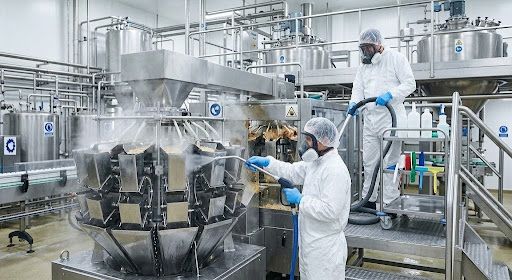
This precise limitation is where industrial foam cleaning becomes an absolute operational necessity. By mechanically aerating the chemical detergent solution, the cleaning agent is transformed into a thick, highly adhesive foam. This physical transformation allows the chemistry to cling to vertical walls, overhead pipework, and intricate manufacturing equipment. This systematic approach provides the essential "contact time" needed for chemical surfactants to effectively lift and degrade fats, proteins, carbohydrates, and resilient biofilm matrices. Without this sustained contact time, microscopic pathogens will survive the sanitation process, leading to inevitable audit failures and product spoilage.
The Systematic 4-Step Cleaning Approach
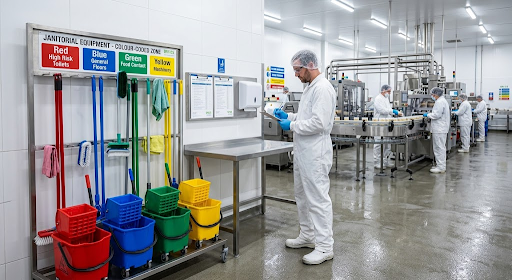
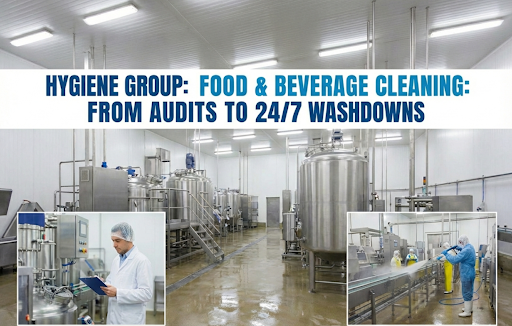
A compliant, audit-ready sanitation programme does not rely on ad-hoc cleaning. It demands a highly structured, repeatable protocol. Our specialist teams execute a methodical 4-step cleaning approach designed to guarantee absolute hygienic verification across all site environments.
- Step 1: Dry Preparation and Gross Soil Removal. The initial phase involves the methodical removal of gross debris, packaging remnants, and bulk organic matter. This must be executed using specialist access equipment and dry methodologies to prevent the dangerous aerosolisation of pathogens that occurs when high-pressure water strikes bulk debris.
- Step 2: Targeted Foam Application. Operatives apply a bespoke chemical foam tailored to the specific soil profile of the facility. The foam is strictly applied from the bottom up. This bottom-up application prevents the foam from running over already wetted surfaces, ensuring maximum adhesion, even coverage, and the required chemical contact time to disrupt microbial cellular structures.
- Step 3: Mechanical Agitation and Sustained Contact. While the foam dwells on the surface, trained personnel utilise manual agitation techniques on heavily soiled areas, such as conveyor belts and mixing vats. The designated contact time is strictly monitored to ensure the chemical formula reaches its maximum efficacy before removal.
- Step 4: Rinsing and Hygienic Verification. The final physical step is a low-pressure, top-down rinse to systematically wash away the chemical complex and the suspended soils. Following the rinse, the area is subjected to rigorous ATP (Adenosine Triphosphate) swabbing and microbiological sampling. This empirical data provides the necessary verification to prove the area is fully sanitised and safe for production to resume.
Chemical Selection: Adapting to the Soil Profile
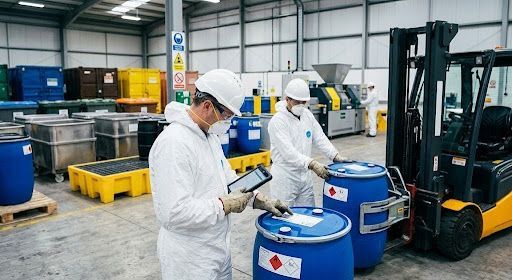
Executing effective foam cleaning & disinfection requires a precise understanding of the facility's soil profile. Applying the wrong chemistry renders the foam application useless. A specialist hygiene provider will categorise the contamination and apply the exact chemical counterpart required to neutralise it.
For facilities processing meats, dairy, or complex ready-to-eat meals, the primary contaminants are organic fats and complex proteins. These soils demand heavily alkaline foam cleaners. The high pH of alkaline foams initiates a saponification process, chemically converting insoluble fats into water-soluble soaps that can be easily rinsed away.
Conversely, environments dealing with mineral deposits, scale, or the calcium build-up found in hard water areas require an acidic foam application. Implementing alternating chemical schedules prevents the build-up of resilient mineral scales and disrupts the formation of highly resistant bacterial strains, ensuring your site remains consistently compliant with regulatory expectations.
Sector-Specific Methodologies: Bakeries and Breweries
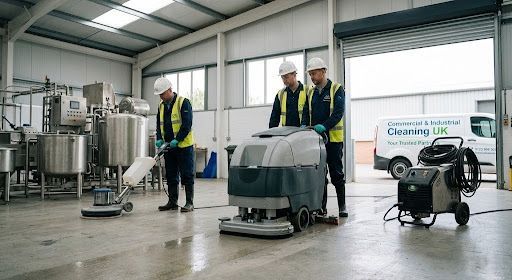
Every manufacturing sector presents unique, bespoke contamination variables. Applying a universal, rigid cleaning methodology across different industries is a guaranteed route to audit failure. When managing food manufacturing and processing plant cleaning, the deployment of foam or rinse protocols must adapt precisely to the environmental risks present on the factory floor.
Managing Combustible Dust and Allergen Control in Bakeries: Bakery and milling environments are subjected to intense regulatory scrutiny due to the presence of airborne flour dust. This dust creates severe ATEX (Atmospheres Explosible) risks. Introducing uncontrolled water into a dry bakery environment is highly dangerous: it encourages rapid mould proliferation, creates concrete-like blockages in drainage systems, and fosters bacterial growth within hard-to-reach machinery crevices.
In these highly specific dry environments, hygiene foam wash services are strictly segregated. Foam is utilised exclusively for the periodic, deep sanitisation of disassembled machinery components within dedicated, isolated wash bays. This ensures the main production floor remains fundamentally dry, mitigating both the explosive atmosphere risks and the potential for microbial blooms in an otherwise stable environment.
Eradicating Yeast and Protein Adhesion in Breweries: Brewery and beverage processing environments present an entirely different set of challenges. These facilities must constantly manage heavy organic soiling, aggressive yeast accumulations, and complex, high-volume drainage networks. Yeast, sugars, and proteins adhere stubbornly to the exteriors of stainless steel fermentation tanks and intricate pipework.
While internal systems rely on automated Clean-in-Place (CIP) technology, the external processing environment requires aggressive food plant foam cleaning. High-adhesion chlorinated or alkaline foams are strictly necessary to break down proteinaceous soils on tank exteriors, flooring, and open drainage channels. This targeted foaming prevents the establishment of dangerous Listeria and Salmonella colonies in damp, nutrient-rich environments, securing the integrity of the final beverage product.
High-Level Cleaning and the Dangers of Generalist Providers
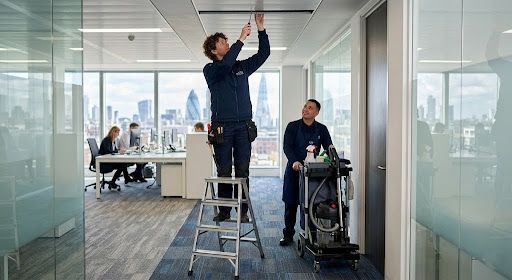
One of the most frequent causes of critical non-conformances during unannounced audits is the neglect of high-level infrastructure. Generalist cleaners focus on eye-level aesthetics and accessible floors. However, overhead truss work, HVAC vents, lighting fixtures, and ceiling panelling rapidly accumulate airborne dust, condensation, and aerosolised grease. If left untreated, this high-level contamination acts as a primary harbourage point, eventually flaking or dripping directly onto open product lines below.
Generalist facilities management companies often attempt to clean these areas using dangerous high-pressure rinsing techniques. High-pressure lances atomise the water, creating microscopic aerosols that carry viable bacteria across the entire facility. This cross-contamination transports pathogens from contaminated floor drains directly onto pristine processing lines.
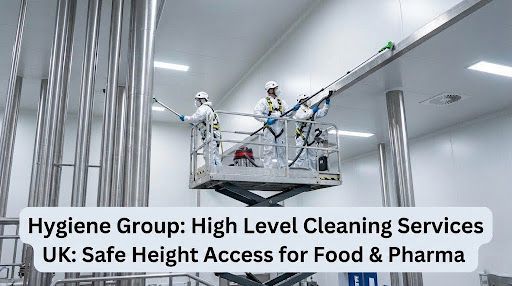
A results-driven approach dictates that high-level sanitation must be conducted systematically. We utilise specialist access equipment, including MEWPs (Mobile Elevating Work Platforms) and bespoke long-reach applicators, to safely access these zones. We apply highly adhesive foams that cling directly to the overhead infrastructure without dripping prematurely onto the equipment below. The soil is encapsulated within the foam matrix and carefully removed using controlled, low-pressure techniques, guaranteeing that the lower production environment remains sterile and unaffected.
Achieving Absolute Regulatory Compliance and Audit Readiness
Securing the highest possible grades in strict BRCGS (Brand Reputation through Compliance Global Standards) and SALSA (Safe and Local Supplier Approval) audits requires more than visual cleanliness alone. Auditors demand documented, verifiable, and empirical proof of a systematic cleaning protocol. They scrutinise your exact methodology, your chemical selection criteria, and the documented competency of your cleaning personnel. Clause 4.11 of the BRCGS standard specifically mandates that housekeeping and hygiene systems must be thoroughly documented and verified to ensure the facility is maintained in a strictly hygienic condition.
Furthermore, implementing a structured foam-cleaning regimen directly supports ISO 14001 environmental management objectives. Foam application optimises water usage by reducing unnecessary continuous rinsing and ensuring highly controlled chemical dispersion. Because the chemicals are aerated, significantly less water is wasted through immediate runoff, and the precise chemical dosing limits harmful environmental discharge into the local wastewater system.
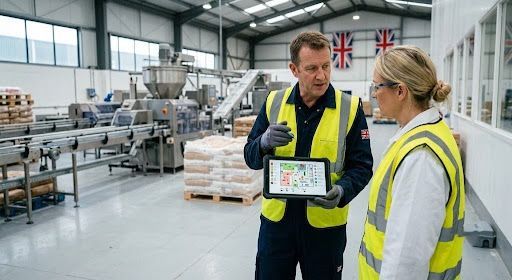
Securing the expertise of a specialist provider is the most effective and reliable way to ensure consistent audit compliance. Unlike generalist contractors who split their focus across commercial offices and retail spaces, Hygiene Group is dedicated solely to the demanding food, beverage, and pharmaceutical sectors. We understand the precise, uncompromising requirements of Quality Assurance teams and Plant Directors.
Our deep commitment to rigorous personnel development and operational stability is proven by our Investors in People silver status. This prestigious accreditation is not merely a badge: it is a guarantee that your facility is being serviced by a highly trained, stable, and motivated workforce capable of executing complex, results-driven hygiene protocols week after week.
As a highly accredited provider of industrial hygiene services in the UK, we ensure that every single sanitation schedule is completely bespoke, rigorously documented, and fully aligned with your site-specific risk assessments. This methodical, evidence-based approach eliminates the stress and anxiety associated with unannounced regulatory audits, protects your brand reputation, and guarantees your operational uptime.
Ensure your facility is audit-ready. Call our specialist team on
0121 451 3211, email
enquiries@hygiene.co.uk, or
request a site survey here.