
Industrial Waste Management Services: How Do You Ensure Safe Disposal for Food & Pharma?
Summary: Ensuring Audit-Ready Food Hygiene
Implementing structured industrial waste management services is critical for manufacturing facilities to pass unannounced audits and prevent contamination. A methodical approach to waste segregation ensures complete compliance with rigorous environmental protocols. It eliminates dangerous harbourage points that directly threaten your product integrity.
- Risk Mitigation: Systematic waste removal completely prevents dangerous microbial cross-contamination.
- Regulatory Compliance: Strict adherence to industry guidelines protects your vital operational licence.
- Operational Uptime: Efficient waste handling eliminates severe production bottlenecks on the factory floor.
Ensure your facility is audit-ready. Call our specialist team on 0121 451 3211, email enquiries@hygiene.co.uk, or request a quote here.
What Are the Regulatory Standards for Waste Disposal?
Waste disposal in manufacturing must adhere to strict legislative frameworks. Facilities must comply with specific environmental guidelines to maintain operational licences. Meeting these standards prevents severe financial penalties during unannounced regulatory inspections and protects your market reputation.
Under BRCGS and SALSA guidelines, sites require a highly documented protocol for waste accumulation and removal. You must definitively demonstrate that waste does not compromise the hygienic integrity of the processing environment. This requires a systematic methodology for segregation, safe storage, and final disposal. Technical Managers must ensure absolute traceability for all removed materials. Every waste transfer note serves as a critical component of your legal due diligence. Failure to produce these documents results in immediate audit failure.
Attaining ISO 14001 certification demands a highly proactive environmental management system. You must track precise waste metrics and prove continuous improvement in waste reduction strategies. The UK food and drink manufacturing sector generates approximately 1.5 million tonnes of food waste annually, according to baseline data from WRAP. Controlling this sheer volume of by-product requires bespoke, accredited solutions. Without specialised oversight, standard cleaning teams simply cannot manage this heavy compliance burden. Your facility remains continually exposed to significant regulatory risk.
How Does Systematic Waste Segregation Mitigate Contamination Risks?
Systematic waste segregation physically isolates by-products from active production lines. This structured approach prevents microbial transfer, reduces allergen cross-contamination risks, and ensures pristine manufacturing environments remain completely audit-ready for Quality Managers at all times.
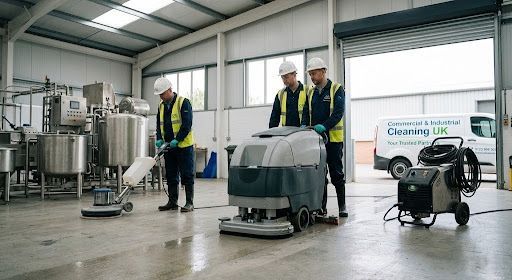
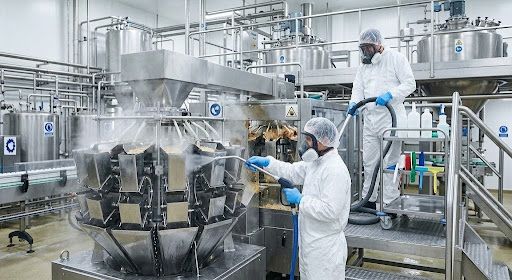
Generalist cleaners often lack the technical expertise to identify hidden harbourage points. When waste accumulates in complex drainage systems, the microbial risk escalates rapidly. Managing this requires deep sector knowledge and highly trained personnel. Implementing specialist food processing plant cleaning protocols guarantees that even microscopic debris is completely eradicated. We utilise advanced chemical neutralisation methods to destroy persistent pathogens. This rigorous standardisation is non-negotiable for food safety.
To guarantee absolute compliance, we deploy a methodical 4-step cleaning approach across all waste handling zones. This rigid protocol ensures zero cross-contamination occurs during the disposal process:
- Gross Debris Removal: Systematic physical extraction of bulk waste and visible organic soils.
- Detergent Application: Applying targeted chemical solutions to break down stubborn protein and fat residues.
- Thorough Rinsing: Removing all suspended soils and residual chemical traces with pressurised water.
- Final Sanitisation: Applying approved disinfectants to entirely eliminate all remaining microbial threats.
Understanding the Economic Impact of Industrial Waste
The financial implications of poor waste segregation are incredibly substantial for modern manufacturers. The total economic value of food waste across the UK supply chain is estimated at roughly £21.8 billion per year, highlighting the financial necessity of robust waste protocols as documented by WRAP. Effective waste management directly protects your facility profit margins. You must view hygiene as an investment in operational stability.
Plant Managers must recognise that inefficient waste handling causes severe production bottlenecks. When operators must stop the line to clear accumulated debris, you lose critical manufacturing time. A structured approach ensures waste flows seamlessly away from primary processing areas. This maintains continuous operational uptime. Your production targets rely entirely on an unhindered, hygienic manufacturing environment.
Furthermore, inadequate disposal methods immediately invite costly pest infestations. Rodents and insects are rapidly drawn to poorly sealed waste receptacles. Preventing this requires rigorous bin sanitisation routines and immediate removal of organic matter from the factory perimeter. Routine external audits heavily penalise any evidence of pest activity near waste storage zones.
Addressing Sector-Specific Challenges in Manufacturing
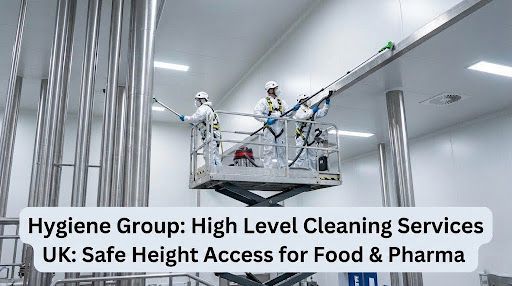
Different processing environments present highly unique waste management challenges requiring bespoke solutions. Bakeries battle constant airborne flour dust accumulation. This poses a severe respiratory hazard for staff and triggers strict ATEX regulations regarding explosive atmospheres. Flour dust requires specialist access equipment and meticulous high-level cleaning techniques to ensure absolute environmental safety. Standard vacuuming methods are entirely insufficient.
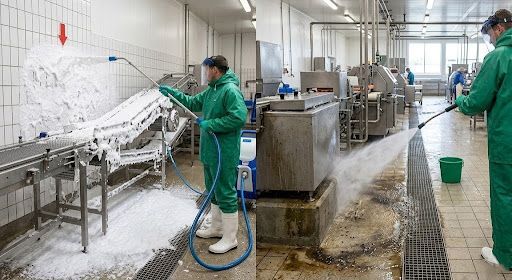
Conversely, breweries face distinct issues with yeast by-products and complex subterranean drainage networks. Yeast residue creates severe microbial risks if allowed to stagnate in damp, low-lying areas. Proper foam cleaning methodologies are absolutely essential here. The applied foam clings to vertical surfaces, systematically breaking down stubborn biological matter before it can fester. This prevents dangerous cross-contamination within the brewing vessels.
Over 400 organisations are now signatories to the Courtauld Commitment 2030, a framework coordinated by WRAP aiming to halve UK food waste per capita by 2030 against a 2007 baseline. Achieving these ambitious environmental targets requires a unified, strategic approach to waste handling. Partnering with a dedicated specialist ensures your facility aligns with these national sustainability objectives. We provide the structural framework necessary to meet these modern regulatory demands.
Case Study: Resolving Compliance Challenges in an Artisan Bakery
An artisan bakery faces recurring non-conformances due to inadequate waste management protocols. Accumulated flour dust and improperly stored organic waste creates severe pest control vulnerabilities and immediate audit compliance risks for the Plant Manager.
A facility relying entirely on a generic facilities management provider results in untrained cleaners consistently missing crucial high-level harbourage points. They also fail to apply the correct segregation protocols for different organic waste streams. The bakery requires a targeted, results-driven intervention to secure their BRCGS rating and protect their operational licence. The situation demands immediate, specialist technical remediation.
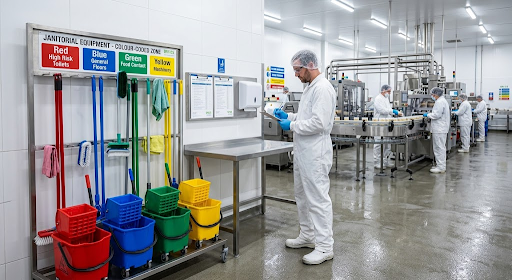
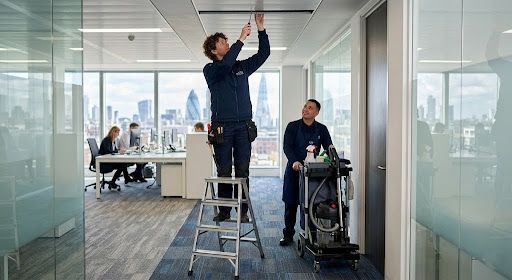
Implementing a comprehensive, bespoke waste management programme is essential. A specialist team utilises advanced access platforms to conduct thorough high-level cleaning. This targeted extraction completely eliminates the immediate ATEX hazard. A strict, colour-coded waste segregation system is then implemented on the factory floor. This structured intervention transforms a failing site into a fully compliant operation within a few weeks.
Implementing Technical Due Diligence and Staff Training
Resolving immediate contamination issues is only the first step towards total compliance. Long-term audit success requires rigorous documentation and continuous staff education. The bakery management team needs comprehensive due diligence paperwork. This documentation meticulously details every waste transfer, sanitisation schedule, and chemical application.
When the regulatory auditor returns, the Quality Manager possesses immediate, undeniable proof of absolute compliance. Maintaining these rigorous hygiene standards is aligned to the precision required for pharmaceutical hygiene services in the UK. Both sectors demand zero tolerance for cross-contamination and require absolute evidentiary traceability. You cannot pass modern audits without systematic, documented verification.
Focused hygiene training for the internal bakery staff is also crucial. This ensures that daily waste segregation practices align perfectly with periodic specialist deep cleans. A collaborative, highly educated workforce is your strongest defence against future audit failures. We empower your team to maintain the pristine environment we establish.
Why Choose a Specialist Partner Over Generalist Facilities Management?
Generalist providers dilute their focus across multiple commercial sectors. They lack the precise technical knowledge required for high-risk manufacturing environments. A specialist partner understands the exact demands of stringent auditors and the critical importance of operational uptime.
We are dedicated to food and pharma processing environments. This intense, uncompromising focus means our protocols are designed specifically for your precise technical challenges. We do not apply generic commercial cleaning methods to complex manufacturing lines. We apply scientific, verified sanitisation processes that guarantee measurable results. Plant Managers rely on our systematic approach to maintain continuous, safe production. We understand that generic methods actively introduce new microbial risks into sterile environments.
With over 35 years of dedicated industry experience, Hygiene Group stands as the authoritative leader in specialist cleaning. We proudly hold Investors in People silver status. This accreditation proves our commitment to maintaining a highly trained, stable, and reliable workforce. You simply cannot risk your operational licence on transient, untrained agency staff. We provide a dependable, expert team dedicated to your facility.
Expert Insight on Audit Readiness
Our leadership team understands the immense pressure Technical Managers face during unannounced regulatory audits. Production downtime is incredibly costly for the business. Managing compliance whilst meeting strict manufacturing quotas requires constant, exhausting vigilance. We shoulder this entire burden for you, allowing your internal teams to focus exclusively on core manufacturing output.
Gurdip Bir, Managing Director at Hygiene Group, summarises our methodology perfectly: "Our clients do not hire us simply to remove waste. They partner with us to guarantee absolute audit compliance and protect their brand reputation. We deploy a systematic, highly trained workforce to eliminate microbial risks at the source, ensuring seamless operational continuity."
Ensure your facility is audit-ready. Call our specialist team on
0121 451 3211, email
enquiries@hygiene.co.uk, or request a quote here.